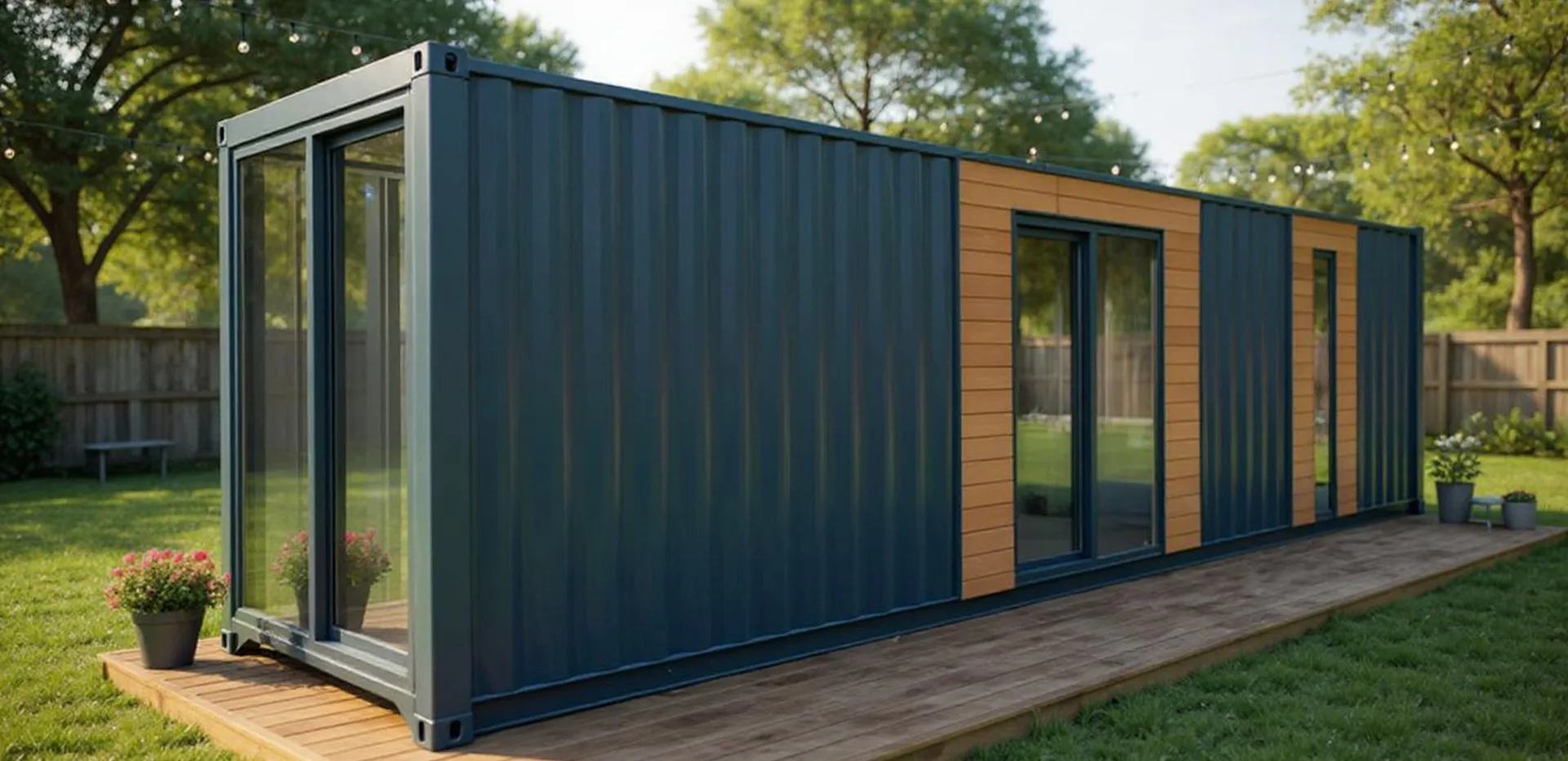
Specification Guide
Garden Room Spec Guide: Planning, Foundation & Insulation
A step-by-step specification guide for premium modular garden rooms — planning permission, foundation options, insulation envelope and electrical load explained for architects and homeowners.
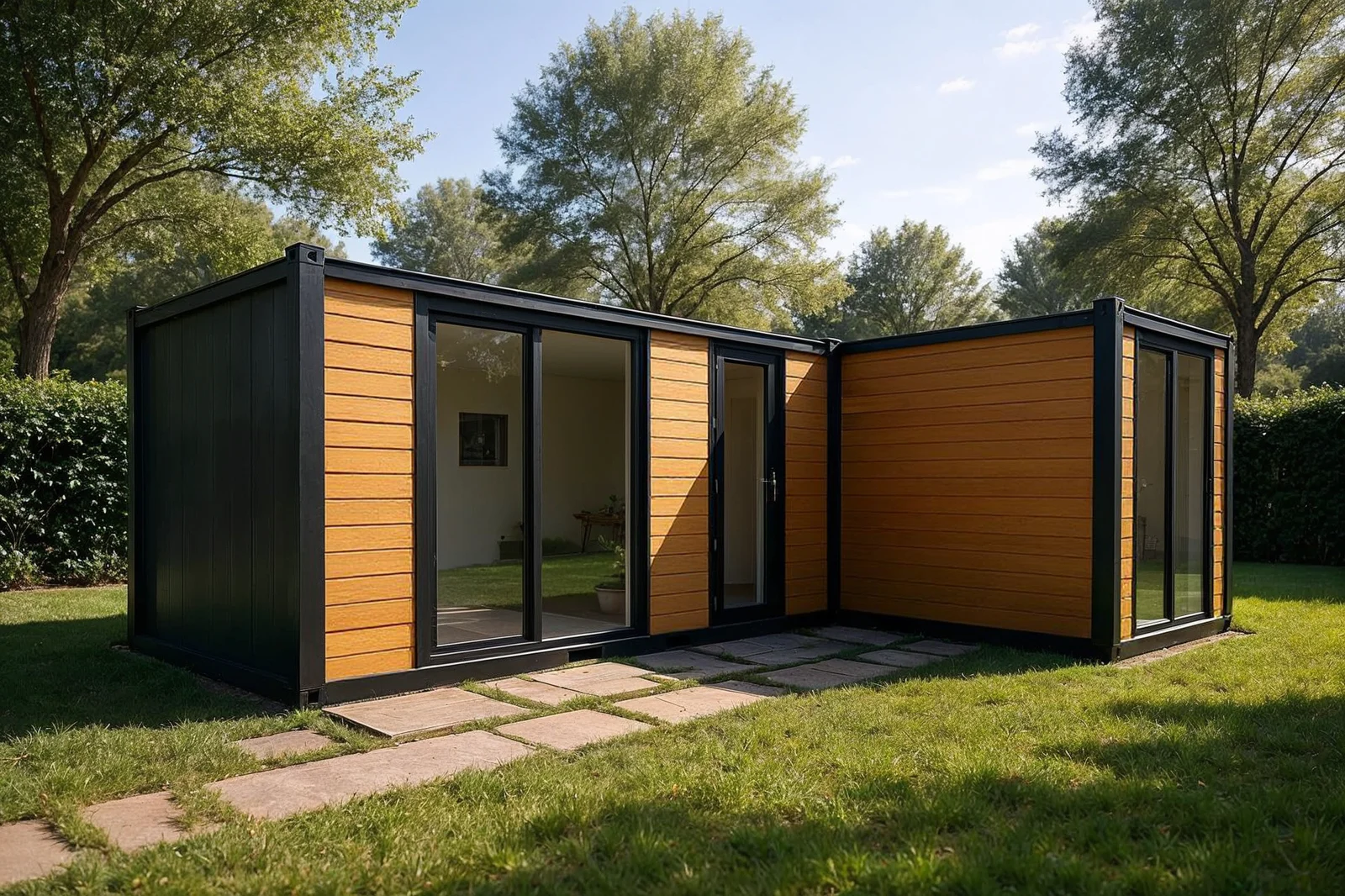
A garden room sounds simple on a sales sheet. In practice, a premium modular garden room is the meeting point of three decisions a buyer has to make early — planning permission, foundation choice and the insulation envelope — and each of those decisions cascades into the spec sheet, the lead time and the final price. This guide walks through the three in the order our specification team asks about them when a brief lands in the studio.
Step 1 — Planning permission, decided up-front
Planning rules vary by jurisdiction, but the questions are the same. Will the unit sit inside permitted-development limits, or will it need a formal submission? Will it be used incidentally to the main dwelling, or as a separate sleeping or commercial space? Is it visible from the public realm?
In the United Kingdom, garden rooms typically fall inside permitted development when the unit is single-storey, under 30 m² internal floor area, sits at least 2 metres from any boundary, has an eaves height under 2.5 metres, and is used incidentally to the main house — an office, gym, studio or hobby room. Anything used for sleeping, cooking or commercial activity needs a planning application.
In the European Union, member states apply their own permitted-development thresholds inside the same Building Regulations framework. Most accept a structure under 30 m² without formal application, but always confirm with the local authority before specification freeze.
In the United States, garden rooms are typically treated as accessory structures and may need a building permit depending on county and state. Setback distances, lot coverage limits and HOA covenants all matter — the time to check is before you specify, not after.
Decide planning up-front because it dictates two downstream choices: the maximum footprint you can specify, and whether a certified planning pack (structural calculations, fire performance certificates, drainage drawings) needs to ship with the order.
Step 2 — Foundation: match it to your ground
A pre-engineered garden room is only as good as the base it bolts to. There are four reasonable foundation choices, in rough order of cost and prep time:
- Paving on a hard-core sub-base — quickest, cheapest, but only suitable for the smallest footprints on flat, well-drained ground.
- Reinforced concrete slab — the default for most installations. 100–150 mm thick, mesh-reinforced, cured for at least 7 days. Works on most ground types.
- Screw-pile platforms — preferred where the ground is uneven, made-up or where preserving the soil profile matters. Faster to install than a slab, leaves no scar if the unit is later removed.
- Pre-engineered timber raft — used on tight access sites where a concrete pour is impractical, or where the build needs to sit slightly above grade for drainage reasons.
Every MODDOLIVING garden room ships with a galvanised steel chassis that bolts to the base — but a site-specific foundation brief, issued with the quote, tells your groundworker exactly what is needed. Get this brief before you order the groundworks, not after.
Step 3 — Insulation envelope and electrical load
For a garden room to work year-round, the insulation envelope and the electrical load have to be specified together — otherwise heating costs creep up, condensation appears, and the unit becomes a summer-only space.
A premium spec garden room runs continuous insulation in the floor, walls and roof, with thermal-broken framing and double-glazed uPVC openings. Typical U-values on the MODDOLIVING range are 0.20 W/m²K (roof), 0.22 W/m²K (walls) and 0.18 W/m²K (floor) — well inside current UK Building Regs Part L and EU EPBD baselines.
Electrical load follows from how the unit will be used. A home-office spec runs a 16-amp ring final circuit, distributed sockets and overhead LED lighting — that handles a workstation, a monitor or two and a low-load space heater. A gym or workshop spec needs a heavier circuit (32-amp or split between a power circuit and a lighting circuit) and dedicated outlets for treadmills, power tools or air-conditioning units. Specify the intended use, and the electrical schedule follows.
What to bring to the brief
When the brief lands in our studio, the questions we ask first are: planning context (permitted development or formal application), intended use (office, gym, studio, guest space), target footprint and finish preference (timber composite or painted), and target installation date. With those five inputs we respond within one working day with a configuration, indicative timeline and itemised quote.
If you would like the planning pack reviewed before specification, share your local authority area and we will flag any region-specific rules that might shift the spec — early, not late, when adjustments are still cheap.