Comparison
Welfare Cabins vs Storage Cabins: Which Do You Need?
Decision guide for contractors and site managers — welfare cabins (kitchenette, rest area, WC) versus storage cabins (secure, weatherproof, multi-point locking) compared by use case, regulation and ROI.
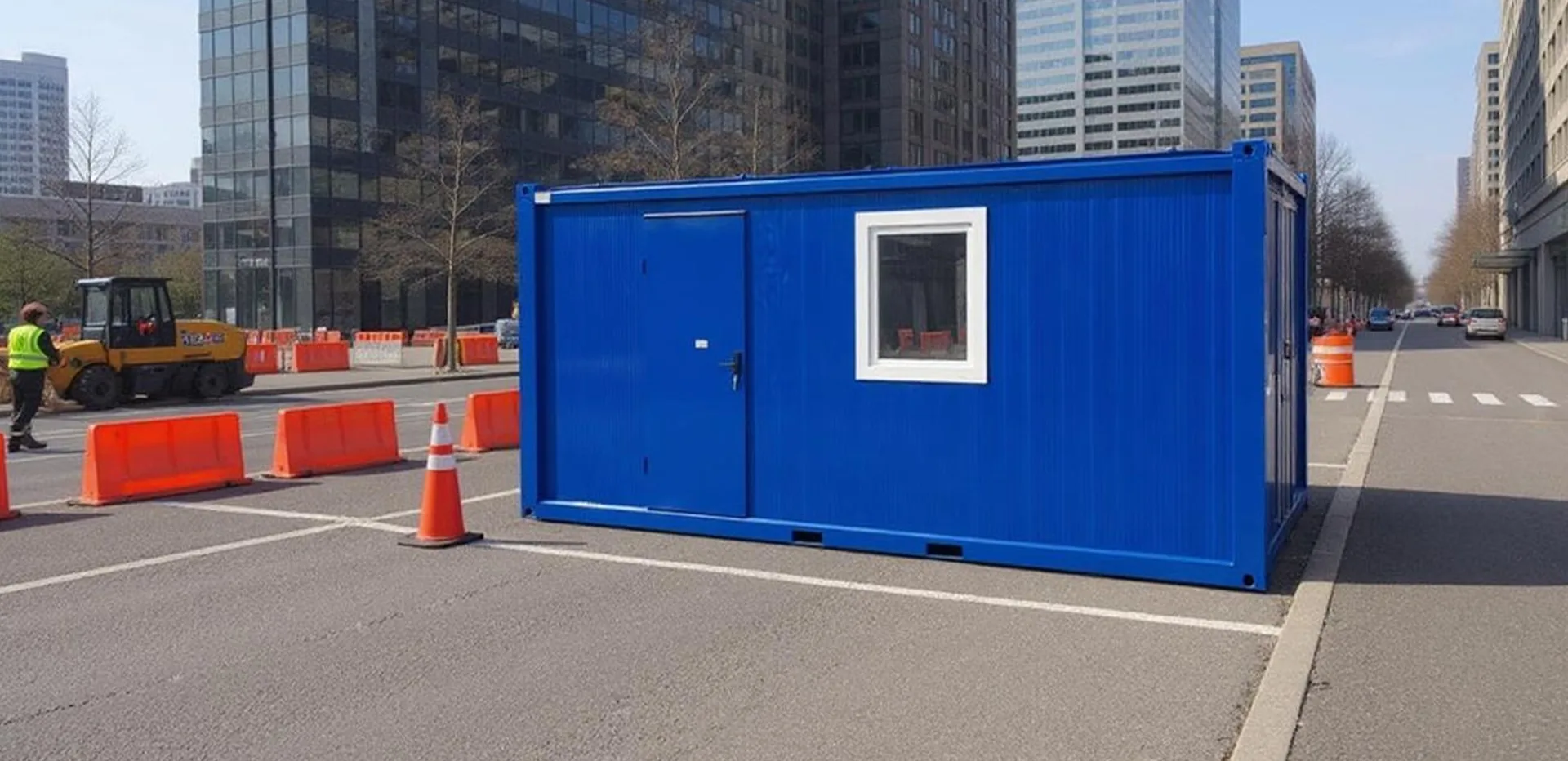
A new construction site, an event activation, a remote operations base — the brief for “a site cabin” almost always splits into two distinct units: a welfare cabin and a storage cabin. Some site managers buy both. Some buy one and try to do the work of the other. Most projects end up buying both eventually — the question is whether they buy together or buy late.
This guide is the framework our site-operations team uses to decide which unit is needed when, and where a project genuinely needs both.
What a welfare cabin actually does
A welfare cabin is a self-contained unit that provides the workforce with the welfare facilities that regulations require for any active workplace. The MODDOLIVING range includes two configurations:
- Static welfare cabin — factory-built, craned onto a prepared base. Includes a kitchenette (worktop, sink, microwave provision, fridge space), a seating and rest area sized for crew breaks, an integrated WC and basin, and a drying area for wet weather gear. 8.58 m² interior footprint.
- Mobile welfare cabin — towable on a wheeled chassis, relocates between sites without crane access. Same kitchenette, rest area, WC and basin in a slightly compressed footprint.
The legal driver is welfare compliance. In the UK, the Construction (Design and Management) Regulations 2015 require welfare facilities — toilets, washing, rest, drying — for every construction site, with specific provisions depending on workforce size. In the US, OSHA 29 CFR 1926 sets equivalent requirements. In the EU, member states implement under the Workplace Directive.
The welfare cabin discharges most of those requirements in a single unit. The exception is large sites (50+ workforce), which need separate sanitary cabins scaled to workforce numbers.
What a storage cabin actually does
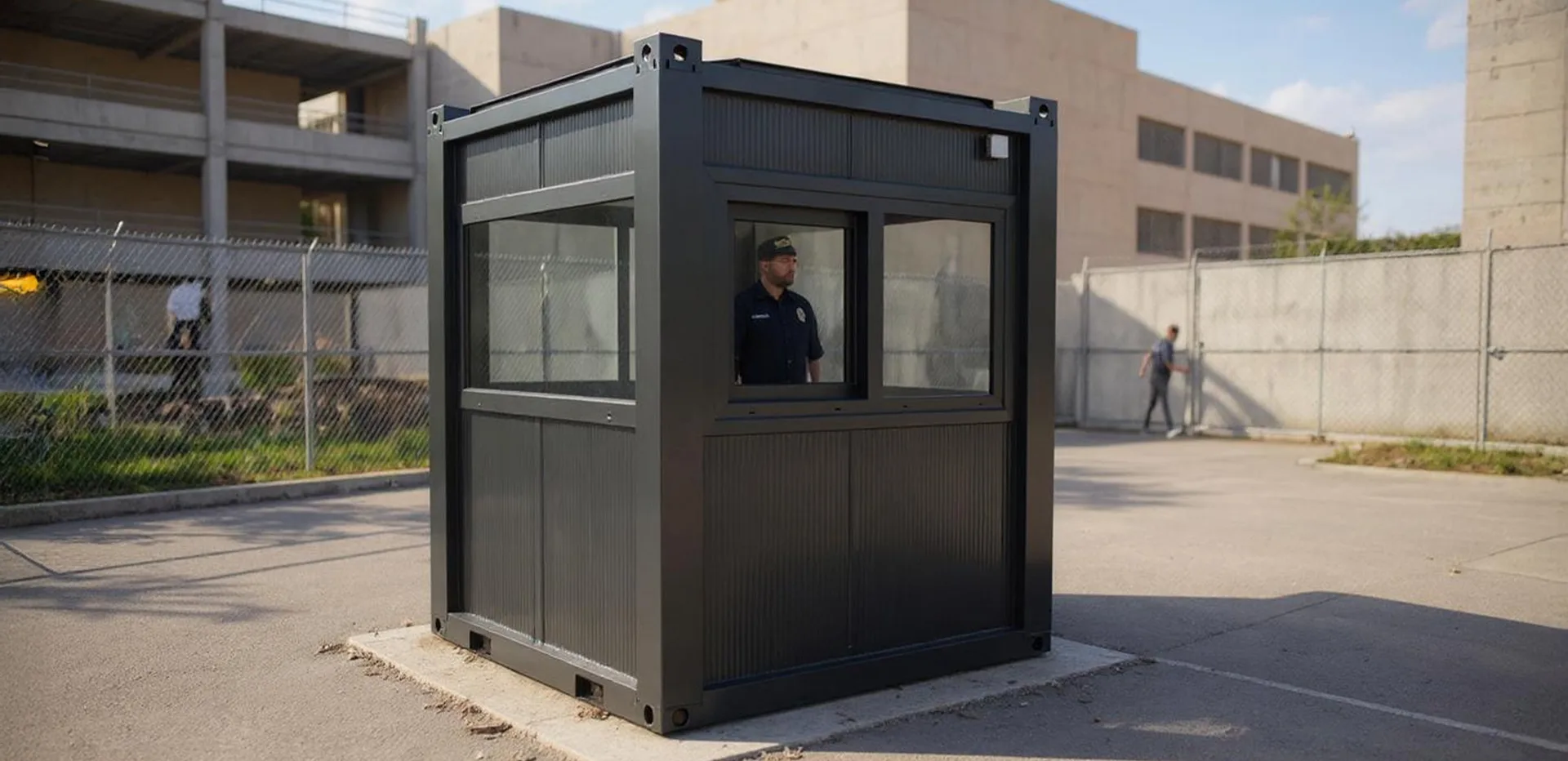
A storage cabin is a weatherproof, multi-point-locked steel cabin sized for site equipment, tools, materials and inventory. The MODDOLIVING range covers four footprints:
- T200DP — 1.7 m² interior, single-bay tool store
- T300DP — 2.7 m² interior, mid-size store
- T400DP — 3.7 m² interior, twin-bay store
- T600DP — 5.7 m² interior, double-bay materials store
The driver is security and weather protection, not welfare. A storage cabin keeps power tools dry and locked overnight, secures site materials between deliveries, and protects high-value inventory on remote operations. It is not occupied by a person except briefly to retrieve or store items, so welfare regulations do not apply.
The structural envelope is the same galvanised steel chassis as the welfare cabin range, but the interior is left open — no kitchenette, no WC, no seating — to maximise usable storage volume.
When you need both
Most active construction sites need both, because the two units do non-overlapping work:
- Welfare cabin handles people — toilet, rest, drying, eating.
- Storage cabin handles equipment — tools, materials, inventory.
Trying to combine them in a single unit creates problems. A welfare cabin used as overflow tool storage compromises the seating area and crosses regulatory boundaries (tools in a welfare space). A storage cabin used as informal welfare violates welfare regulations and exposes the contractor to enforcement action.
The rough rule: any active construction site with 3+ workers for more than a week needs both. Below that threshold, a single welfare cabin (with a separate small lockup for tools) can work; above, separating welfare and storage saves time, regulation exposure and crew friction.
When you only need one
Three site profiles genuinely need only one unit:
- Solo trades or 1–2 worker short-term jobs — a single mobile welfare cabin handles both welfare and a small amount of tool storage. Storage in the contractor’s van fills the rest.
- Pure storage operations — equipment depots, materials staging yards, off-site inventory stores. Storage cabin only, no welfare provision needed because no one is occupying the unit.
- Static factory or workshop sites — fixed plumbing, fixed welfare and fixed tool storage built into the workshop building. No site cabins needed in either category.
Beyond these three profiles, the assumption should default to “both, ordered together.”
ROI: ordering together versus ordering late
Site managers who order both units together — same brief, same delivery, same crane lift — typically save 15–20% against ordering them separately, by combining delivery routes, sharing the foundation prep, and avoiding a second site mobilisation for the late-arriving unit.
Site managers who order the welfare cabin first and “see how it goes” almost always order the storage cabin within 4 weeks, after the tool security and weather protection gaps become obvious. The combined order avoids that gap.
What to bring to the brief
Three inputs let our site-ops team specify the right combination: workforce size at peak, project duration, and site type (greenfield construction, urban refurb, event activation, remote operations). With those three we propose a configuration — welfare alone, storage alone, or both together — and a delivery route that fits the site mobilisation calendar.